Walrus: Arctic profile
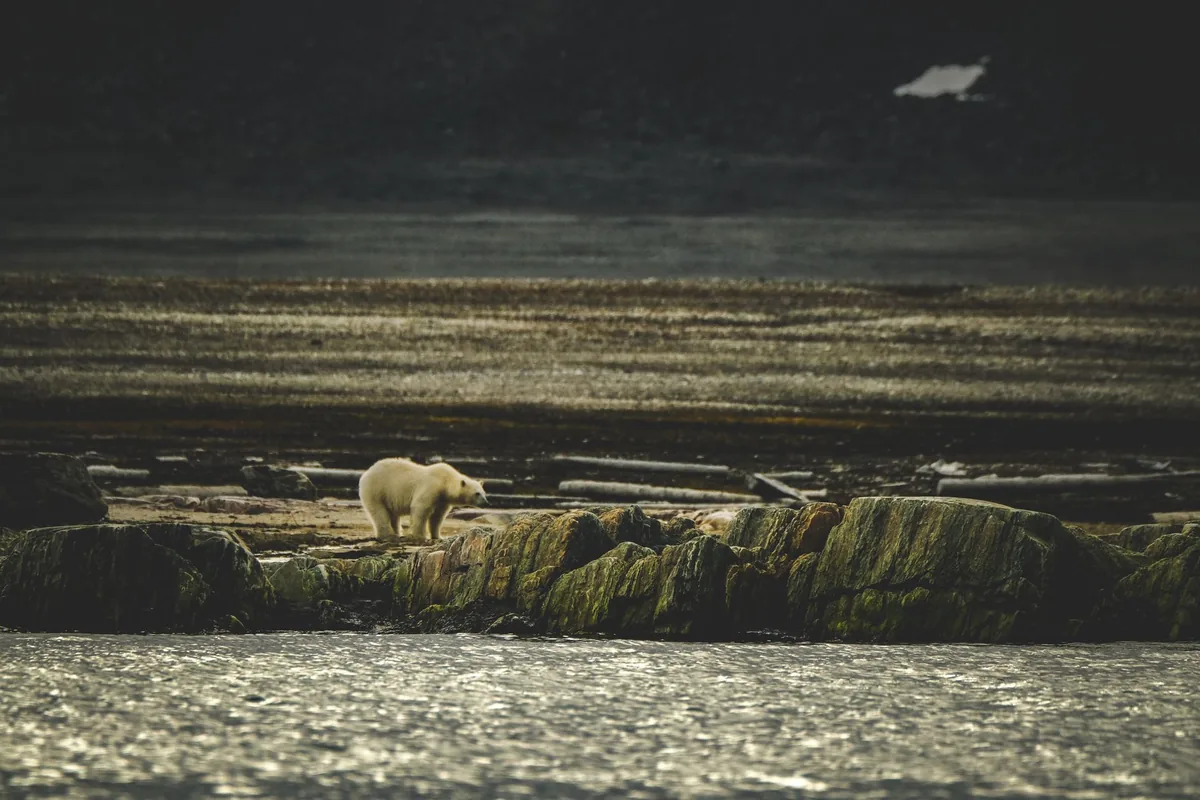
The walrus is a large Arctic pinniped easily recognised by its long tusks and bristly whiskers. Both males and females grow these tusks, which are elongated canine teeth rather than a feature limited to one sex. The tusks serve several purposes: walruses use them to haul their heavy bodies onto ice, to display dominance among their kind, and to help maintain breathing holes in frozen water.
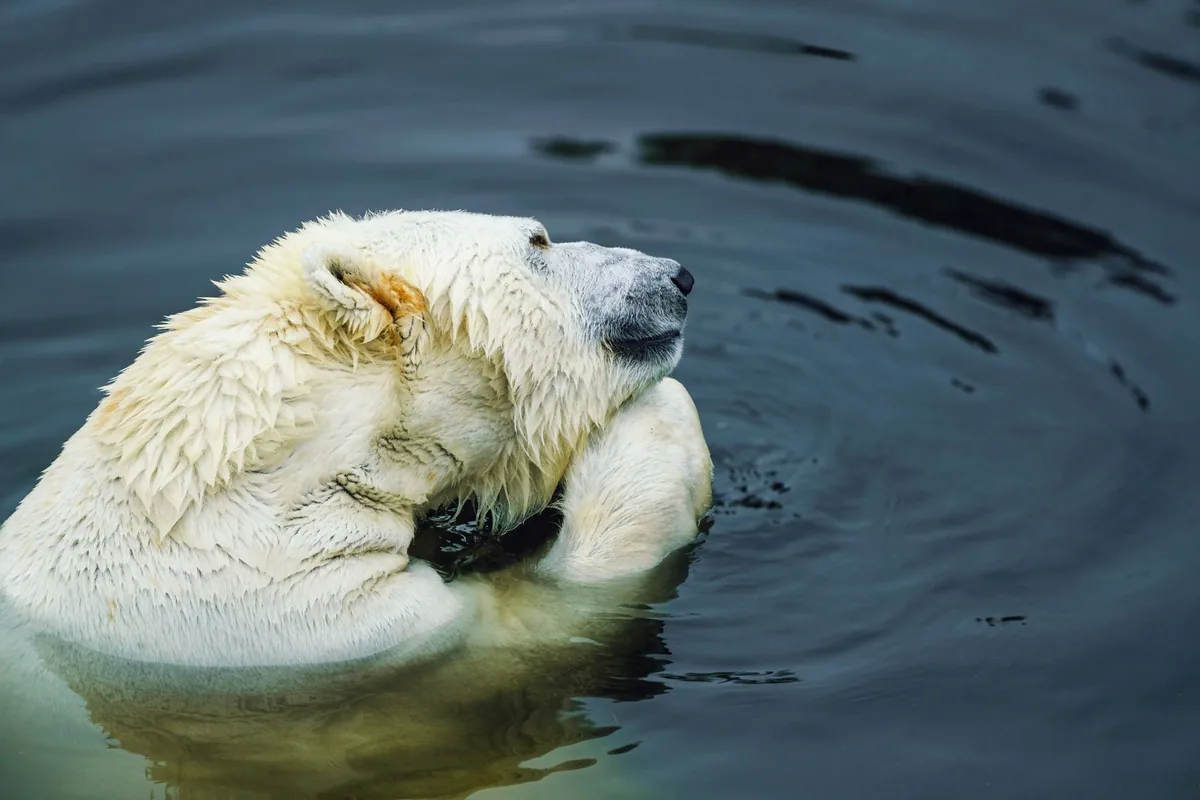
Walruses feed mainly on bottom-dwelling invertebrates, with clams among the principal prey. They locate this food using their sensitive whiskers, which allow them to search the seafloor in relatively shallow water. This diet ties them closely to accessible benthic habitats within the Arctic region.
Walruses are highly social animals, gathering in large groups on ice and shorelines to rest. Their dependence on sea ice extends beyond resting, as females also rely on it for giving birth. Because of this close relationship with sea ice, walruses are considered sensitive to the loss of ice that accompanies warming in the Arctic, making the species a notable subject within discussions of changing conditions in the region.
Sources: IUCN Red List — Walrus (Odobenus rosmarus); NOAA Fisheries — Pacific Walrus (overview). Educational information only. See our sources & fact-check policy.
Frequently asked questions
Tusks of the walrus: arctic profile?
Elongated canines in both sexes
Diet of the walrus: arctic profile?
Bottom invertebrates such as clams
More in Arctic wildlife
Explore more Arctic wildlife
Compare the narwhal with the beluga, bowhead, orca, walrus, and polar bear in our quick-facts table.
Compare Arctic species →